|
| Holton-Curry Reader, 1913 |
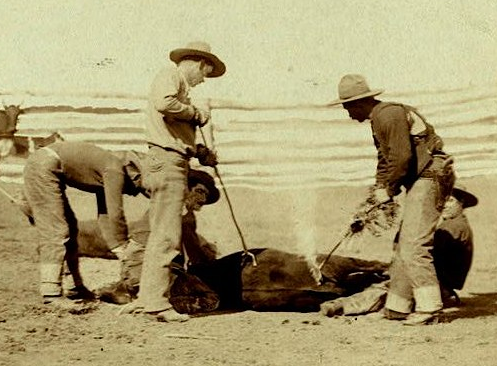
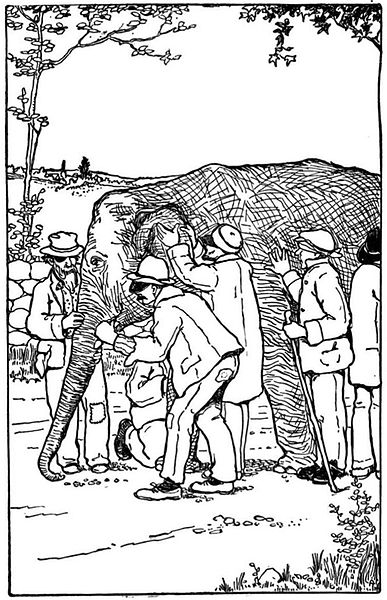
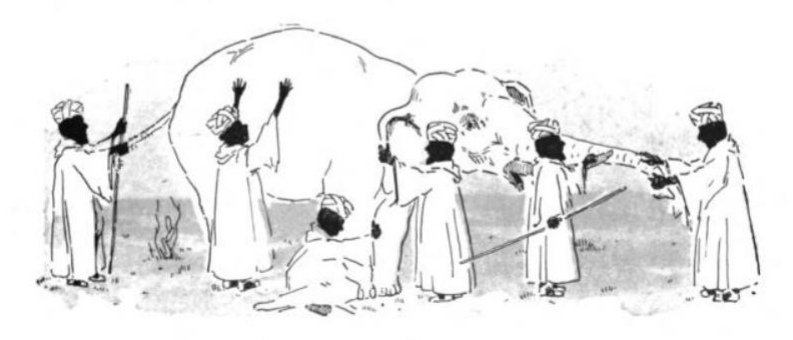
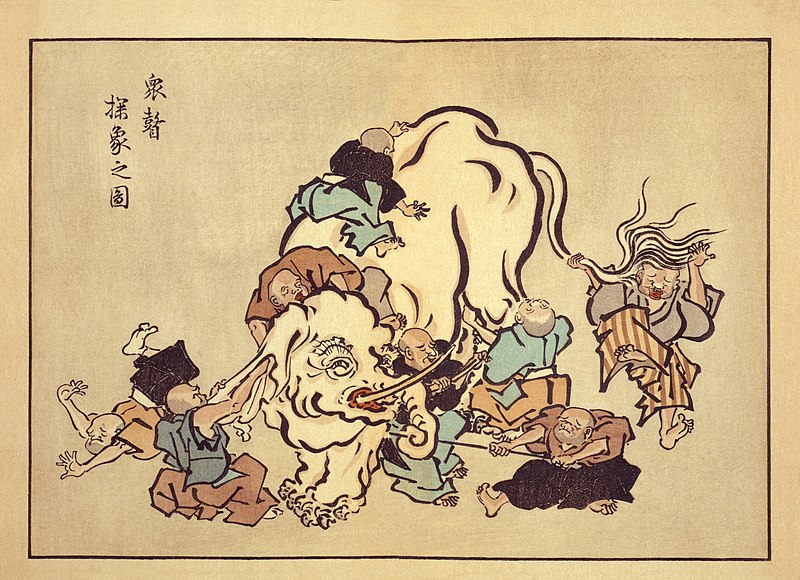
What was the frontier? Asking that question is like asking the proverbial blind men to describe an elephant. Case in point:
Recently, notice came of an upcoming scholarly symposium on “The Significance of the FRONTIER in an age of Transnational History.” The word “frontier” was not only all in caps, but it extended across the entire width of the poster advertising the event (
click here to see). The copy on the poster was superimposed over a photograph of Frederick Jackson Turner—the man who famously announced the closing of the American frontier in 1893.
For readers and writers of western fiction, there’s a curious thing about the description of this symposium. While it’s clearly about the American West, there is not a single reference in its 395 words to cowboys, ranching, cattle, outlaws, lawmen, or firearms. For the folks organizing this event, theirs is a different frontier and a different West—one without cowboys.
Frontier studies, while you may not have heard of it, is a self-explanatory term and probably seems a worthy subject of scholarly interest. I could tell you that “Turnerian historiography” refers generally to Turner’s theory that the frontier experience shaped American character, and you would know what I’m talking about. You’d probably even agree with the idea.
 |
| Children's Classics in Dramatic Form, 1909 |
However, several terms crop up in the description of the symposium that might have you wondering:
- New American History
- Borderlands studies
- Critical race theory
- Settler colonialism
- Environmental history
- Postwestern
You can google on all these terms and discover that each stands for a complex of ideas, theories, and publications that reflect what scholars talk about when they talk about the frontier. And most are conversations that have been going on for decades.
The copy describing the event ends with a list of possible questions the symposium hopes to address. At the very end of that list, the organizers wonder whether academic scholarship in frontier studies has had “any effect on contemporary popular productions.” In other words, is any of their work showing up in western fiction, movies, TV, poetry, and whatever else about the frontier West is being produced for popular consumption.
After some thought, I’d have to say the answer to that hopeful question is mostly no. You could probably even put that in capital letters and make it extend across the page.
 |
| Golden Treasury Reader, 1909 |
And therein lies the problem for both western fans and scholars. It’s the separate-but-equal world they inhabit. There’s mythology on one hand and ideology on the other. One camp’s point of view is faith-based; the other is analytical. Both are political—each more red or more blue.
I’m not one to take sides here. I just wish the two would find more of a meeting ground. As long as scholarship talks in a language ordinary folks don’t understand, there will be little that western fans will learn from it. As long as western fans regard the mythology as gospel and not to be tampered with, their devotion to the genre will go unshared by most scholars.
 |
| Heath Reader, 1907 |
So I find myself in the middle, borrowing from the new frontier scholarship to see and enjoy more in western fiction and movies than I would otherwise. And I try to pass some of that along here. As I try my hand at writing western fiction, I also attempt to blend the two perspectives to contribute something fresh and original to the genre.
The early western writers I’ve been reading (1880-1915) were not afraid to set all kinds of stories in the West. They were unconstrained by requirements of a genre still in the process of being born. Thus, much of what they wrote was fresh and original.
I’d like to see the western open again to that kind of freedom. It’s been argued that the western lost its audience in the late 20th century because it couldn’t reinvent itself. But enough time has passed for writers and filmmakers to do just that. Like western writers of 100 years ago, they are free to bring their imagination and their skill as storytellers to the West, as if the western never existed.
Unsatisfied with the old formulas, they may draw if they like on the scholarship that has been freeing history of the old mythologies and out-dated or unfounded beliefs. Lonesome Dove was already a step in that direction. More recently, Deadwood and Hell on Wheels. In each of them, mythology confronts history in ways that excite, inform, and entertain. And they chip away at the dead wood that has taken over the genre.
 |
| Itcho Hanabusa, 1888 |
There are contemporary writers of western historical fiction like Richard Wheeler, Carol Buchanan, Johnny Boggs, and many others whose work brings the past compellingly to life. But it’s the blending of history with myth that has become a challenge for western genre fiction.
Still, there are signs this is changing. As just one example of western genre fiction that most readers here are likely to know, I’d pick Edward Grainger’s stories of U. S. Deputy Marshals Cash Laramie and Gideon Miles. Both characters are clearly fictional, but they deal with aspects of American social history that have been largely ignored in the past. And they’re grounded in a historical reality that a reader in 2012 can recognize and care about.
It’s not surprising that many readers posting favorable reviews of the Cash-Miles stories say these are the first westerns they’ve ever read. Many moviegoers who saw last year’s True Grit were of a similar mind. Like probably anyone who has read this far, I’d like to see the western make a comeback. But I don’t think it will happen without a continued infusion of something other than the same old formulas and clichés.
 |
| Phra That Phanom chedi, Thailand |
I know, some readers love the formula western because it is so predictable. A certain kind of hero, a high-risk conflict, and a resolution involving gunfire. I recall sitting in front of several boys in cowboy hats who took seats behind me in a screening of “Hud” back in 1963. Their running commentary on that movie predicted every turn they expected the plot to take, only to be disappointed each time.
Readers in cowboy hats, especially young ones, need not be disappointed like that. There should be westerns for them. But I’m arguing for westerns you can’t predict. In fact, I think there should be more general disagreement about what a western is. That’s the kind of diversity I think many new readers could get behind. And for starters, the blind men who proved their worth describing an elephant would be perfect for the job.
Further reading:
Frontier studies, Google Scholar
Image credits: Wikimedia Commons
Coming up: Patience Stapleton, Babe Murphy (1890)